
Handed it over, confidence: maximum.
Eye-tracking research from recruiting firm Ladders, covered by HR Dive, found that recruiters spend an average of just 7.4 seconds looking at a resume before deciding whether it's worth a closer read. That is not a myth or a scare tactic. It is a measured behavior, and it means the difference between an interview and a rejection is usually decided before anyone has finished reading your summary.
What recruiters actually look at first
The same eye-tracking data shows recruiters are not reading top to bottom in those first seconds. Their eyes jump to six specific data points: your name, your current company and title, your previous company and title, your start and end dates for both roles, and your education. Everything else, including your carefully written summary paragraph, gets scanned only if those six anchors look promising.
That has a direct formatting consequence. If a recruiter's eyes are hunting for company names, titles, and dates in the first few seconds, those fields need to be impossible to miss.
- Put job titles and company names on their own visual line, bolded or otherwise set apart from the description text below them.
- Keep dates in a consistent, predictable position (right-aligned or immediately after the title) so a scanning eye finds them in the same place every time.
- Lead each role with your most recent, most relevant title, not a generic department name.
- Avoid burying your name or contact info inside a header graphic or table, since these are often the first thing a recruiter's eye locates and the first thing an ATS parser mangles.
Why the ATS scan matters just as much as the human one
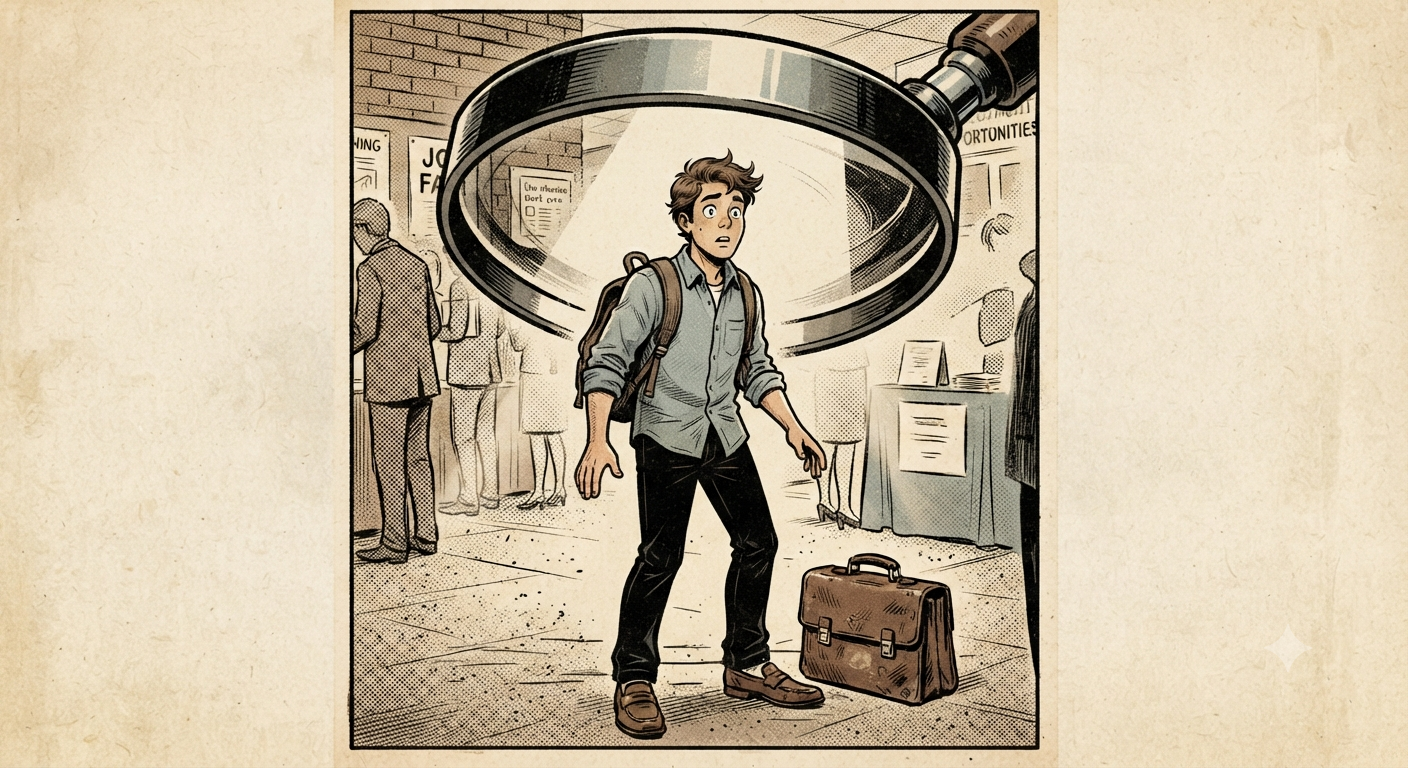
Blink and it's over.
Before a recruiter ever gets their 7 seconds, most resumes at mid-size and large companies pass through an Applicant Tracking System that parses the document into structured fields. If your formatting confuses that parser, whether through columns, text boxes, headers/footers, or inconsistent date formats, the recruiter may never see an accurate version of your six anchor points at all. A resume can be well written and still fail both scans for the same underlying reason: the layout doesn't communicate structure clearly to either a human eye or a parsing algorithm.
The 7-second test you can run yourself
Try this: print your resume, or view it at a glance on screen, and give yourself exactly 7 seconds. Can you find your most recent job title, company, and dates without hunting? If you have to search, so does the recruiter, and most won't take the extra time.
This is also where a second pass matters. Bullet points under each role should front-load the outcome, not the task. "Managed a team" tells a scanning eye nothing in a fraction of a second; "Grew team output 30% in six months" gives a number worth stopping for. Quantified, front-loaded bullets are what turns a 7-second glance into a full read.
What to fix this week
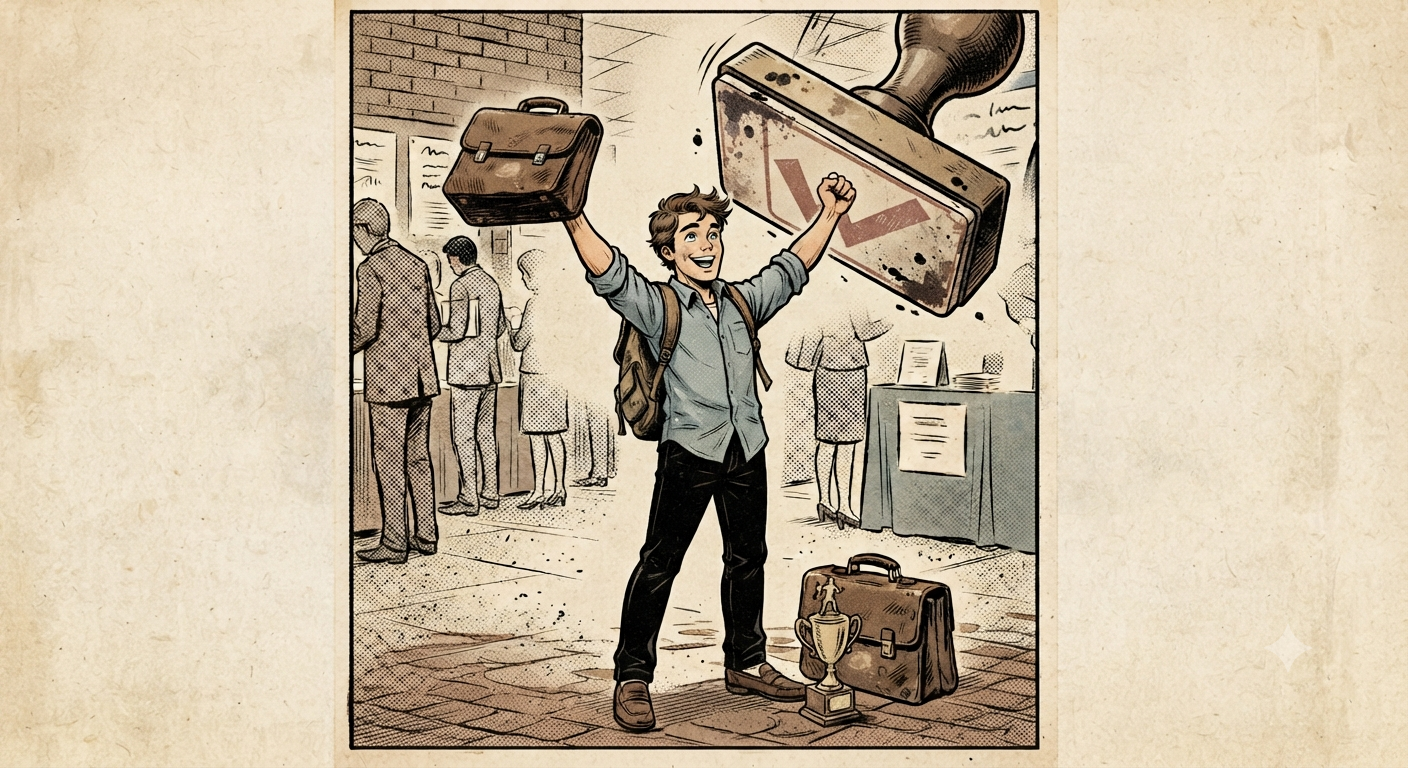
Seven seconds well spent.
Formatting and keyword alignment are the two levers that move the needle fastest, and both are things you can audit in minutes rather than guess about. Run your resume against a real ATS parser and a scoring breakdown so you know, concretely, whether the six anchor points a recruiter looks for are actually coming through clean, instead of hoping your layout is safe.
What is ATOLIQ?
ATOLIQ
is a free AI career readiness platform built on one idea: getting an interview
isn't one fix, it's four. Resume Check and
Role Match
show you exactly where you stand against a job. The
Skill Gap Planner
and Proof Builder
turn gaps into a plan and real evidence. OptiResume, AI Resume Rewrite, and the
LinkedIn Profile Optimizer
make sure the words on the page actually land. Start at
atoliq.com.


Comments
Post a Comment